Best First Mods for F-150 5.0L & EcoBoost
The F150 has been the best selling vehicle in America for over 40 years and for good reason — it is an excellent platform to modify. The right first modification depends on the truck’s engine, age, current condition, budget and intended use; the options below are organized around those decisions rather than being universal rankings.
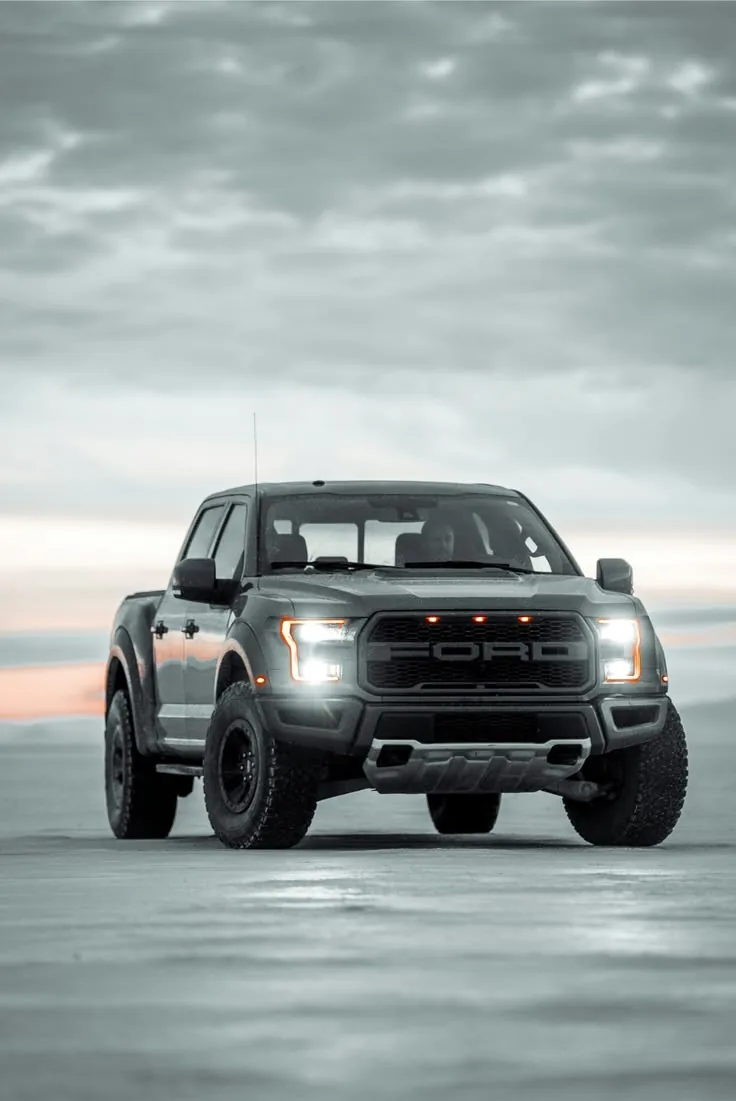
The F150 — Why It Is Such a Great Platform
The F-150 has a large aftermarket, but parts and results still vary by generation, engine, drivetrain and intended use. A part developed for one engine or model year may not fit another. Use the exact application data and installation instructions rather than assuming a popular product has been validated for every truck.
The likely benefit depends on the engine and the type of modification. A naturally aspirated 5.0L and a turbocharged 3.5L EcoBoost respond differently, and neither should be treated as a universal recipe. Check the exact engine, model year, fuel requirement, calibration and warranty implications before choosing power parts.
First Mods to Consider by Goal
5.0L Coyote vs 3.5L EcoBoost — Which Responds Better to Mods
Both engines respond well to modifications but in different ways. The 5.0L Coyote is a naturally aspirated V8 — it responds best to exhaust, intake, and camshaft upgrades that improve breathing. The sound improvement from an exhaust upgrade is extraordinary on the Coyote.
The 3.5L EcoBoost is turbocharged, so calibration changes can have a larger effect than a simple intake or cat-back. But there is no single defensible horsepower figure for every year, fuel, calibration and tuning strategy. If we quote a dyno number, it should be tied to a specific test and vehicle configuration rather than presented as a universal gain.
The Right Order — Why Sequence Matters on the F150
There is no universal order that applies to both engines. Decide on the goal first, verify whether the intake or exhaust changes require calibration, and discuss the final hardware combination with a reputable tuner before purchasing parts. Avoid paying for a tune before you know which hardware will be installed and whether it is supported.
Leveling kit can go anywhere in this sequence since it doesn't interact with the powertrain. Most owners do the leveling kit early because it changes how the truck looks immediately and makes the wheel and tire conversation more concrete — you can see where the fenders sit and make better decisions about wheel offset and tire size once the truck is leveled.
Wheels and tires last, after the leveling decision is made. Buying wheels before you know your final ride height and whether you're running a leveling kit is a common mistake that leads to fitment regret when the setup changes.
What to Avoid Buying First on the F150
Performance suspension components like Bilstein shocks, Fox coilovers, and heavy-duty sway bars are legitimate improvements but show the least benefit before the truck has been tuned and has performance tires underneath it. The F150's handling limitations on stock rubber and stock tune are mostly tire and calibration — fixing suspension geometry before fixing those basics is spending money in the wrong order.
Headers are a significant power modification but also a significant cost and complexity jump from bolt-on modifications. For a first-year build, headers belong after the intake, exhaust, and tune are established and you're looking for the next meaningful power increment. They're a second-year modification on most builds.
Buying tires before deciding the final suspension and wheel package can create an expensive fitment problem. A larger tire may contact the liner, control arm or other components at steering lock or suspension compression. Choose the target tire only after confirming the exact year, drivetrain, wheel and suspension setup.
The Budget Reality — What a First Year Actually Costs
Cold air intake: $250-400 for a quality brand (K&N, S&B, aFe). Cat-back exhaust: $500-900 for a name-brand system. Tune: $400-600 for a professional remote tune. Leveling kit: $80-300 for parts plus $150-300 installation. Wheels and tires: $1,500-3,000 for a quality setup.
A realistic first-year budget for intake, exhaust, and tune is $1,200-1,900. Add leveling kit and you're at $1,600-2,500. Add wheels and tires and the full first-year build runs $3,000-5,500 depending on tier choices at each stage. These numbers sound significant until you compare them to the cost of buying a more capable truck factory-configured — the F150 platform responds so well to modifications that $3,000 in targeted upgrades can transform a base XL into something that outperforms more expensive trim levels in the specific areas that matter to you.
our F150 exhaust upgrade guide covers both the 5.0L and EcoBoost with honest sound comparisons.
our F150 leveling kit vs lift kit guide covers cost, ride quality, tyre clearance, and which makes sense for your use case.
Our best cold air intake for F-150 5.0 guide compares product-specific fitment and published performance information for the Coyote V8. Verify the exact part number before ordering.
For a complete tyre comparison covering highway vs all-terrain options, our best tires for F150 guide ranks Michelin Defender, Falken Wildpeak, BFG KO2, and Toyo AT3 honestly.
Our best wheels for F-150 guide explains wheel sizing, offset and fitment. Do not treat one offset as universally correct: brake clearance and tire position depend on the exact wheel and truck.
Technical note — verify the exact truck. F-150 suspension, wheel/tire and powertrain details vary by model year, drivetrain, engine, trim and factory equipment. Ford’s current specifications and owner documentation should be treated as the baseline for vehicle-specific limits. Aftermarket fitment numbers should be treated as application-specific manufacturer guidance, not universal guarantees. Ford F-150 specifications · Ford owner documentation
Frequently Asked Questions
What are the best first mods for a Ford F150? Cold air intake, leveling kit, and exhaust upgrade are the three most popular and impactful first modifications. The leveling kit is often the first since it immediately improves the truck's stance and allows larger tires. Intake and exhaust improve sound and performance at reasonable cost.
How much does it cost to start modifying an F150? A leveling kit costs $50-300, a cold air intake $250-500, and a cat-back exhaust $300-1,000. A reasonable first-round budget is $500-1,500 to do all three, not counting an alignment after the leveling kit.
Do F150 mods void the warranty? Under the Magnuson-Moss Act, Ford must prove a modification caused any specific failure to deny a warranty claim. Common first mods like leveling kits, intakes, and exhausts are unlikely to affect coverage on unrelated systems like the engine internals or transmission.
Can I modify my F-150 and still tow? Often, yes, but the modification does not increase the truck's rated capacity. Ford's towing and payload limits depend on the exact configuration, and loaded trailer weight, tongue weight, passengers and cargo still have to remain within the applicable ratings. A leveling kit changes ride height; it does not create more payload or towing capacity.
What is the most popular F150 modification? The leveling kit is consistently the most popular F150 modification, followed by wheel and tire upgrades. Cold air intake and exhaust round out the typical enthusiast build sequence.
What is the best first mod for a Ford F-150? There is no universal first mod. If appearance and tire clearance are the priority, start with the suspension/wheel plan. If sound is the goal, exhaust may make more sense. If engine performance is the goal, research the exact engine and calibration before buying an intake or tune.
Does the F150 need a tune after a cold air intake? Not required — the ECU self-adjusts and the truck runs cleanly on the stock calibration with a quality intake. A tune combined with intake and exhaust unlocks significantly more performance by recalibrating around both modifications together.
Will a leveling kit affect F-150 towing? It does not add towing capacity, and you should not assume that every lift/level setup has identical effects on handling, clearance or load behavior. Use Ford's rating for the exact truck and keep the loaded vehicle and trailer within the applicable limits.
Is the 5.0L or EcoBoost better for modifications? Both respond well but differently. The 5.0L naturally aspirated engine delivers the classic V8 sound and linear power gains. The 3.5L EcoBoost has more factory power and responds dramatically to a tune but costs more to tune properly. Choose based on sound preference and whether you plan to tune.
What tires fit a leveled F-150? There is no universal answer. Published fitment guides can give a starting point, but tire dimensions, wheel offset, drivetrain, suspension height and tire construction all affect clearance. Confirm the exact combination before ordering.
The F150 platform rewards a planned approach more than most trucks — each modification builds on the last, and getting the sequence right means every dollar spent contributes to the final result rather than requiring rework later.
A Better Way to Prioritize Your First F-150 Mods
The best first modification is usually the one that improves the truck you use every day, not the one with the biggest visual impact. Write down the three things you dislike about the stock truck and rank them by how often they affect you.
Appearance
Wheels, tires, a mild leveling setup, lighting, and exterior details can change the look without requiring a complete build. Confirm wheel/tire fitment before lowering or lifting.
Sound
Decide whether you want exterior volume, a deeper tone, or reduced drone. Those goals do not always point to the same exhaust system.
Function
Bed organization, recovery equipment, lighting, protection, and towing-related upgrades can provide more daily value than cosmetic parts. Start with the use case.
Build in stages
Staged builds make troubleshooting easier. Wheels and tires can affect steering feel; suspension changes affect alignment; intake and exhaust changes affect sound. Avoid changing everything at once if you want to understand the result.
What to Read Next
If you're working through this modification, these guides cover the next decisions that usually come up.
Wheel and Tire Fitment
If wheels or larger tires are part of your build, use the F-150 Wheel & Tire Fitment Guide before ordering so wheel width, offset, tire size and suspension height are considered together.