5 Best First Mods for Silverado 1500 (Under $500)
Trucks account for a third of the entire US modification market and the Silverado is right at the centre of it. Here are the five best first mods — what they do, what they cost, and why they make sense in this order.
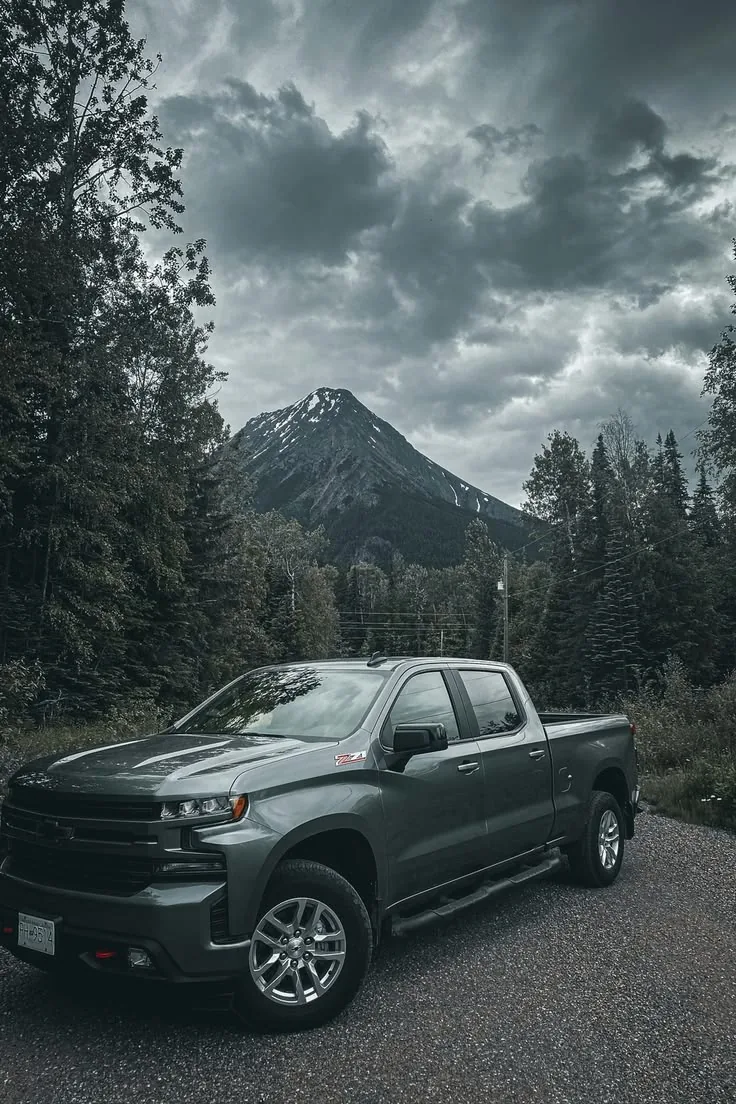
The Silverado is an Excellent Platform to Modify
Trucks account for a third of the entire US automotive aftermarket. The Silverado is one of the most modded vehicles — and these Silverado 1500 mods are the ones that actually move the needle. Whether you want Silverado modifications for performance, appearance, or both, the right sequence matters. The best Silverado upgrades build on each other. in the country, and the aftermarket ecosystem reflects that — there are more parts, more options, and more community knowledge about modifying Silverados than almost any other vehicle on American roads.
The 5.3L V8 that powers most Silverado 1500s is an excellent base for performance modifications. It responds well to cold air intakes and exhaust upgrades, and the Gen V engine architecture (2014+) in particular has genuine potential with the right modifications. The 6.2L is even better, but the 5.3L is where most owners start.
The Five Best First Mods for Your Silverado 1500
What About a Tune?
An ECU tune can change throttle and transmission behavior, but results vary by engine, calibration, fuel, hardware and the condition of the truck. However it also carries the highest warranty risk of any modification. If your Silverado is under warranty, understand the implications before tuning.
For most owners the right sequence is: intake → exhaust → tune. Each previous modification makes the tune more effective because the tune is calibrating for a better-breathing, better-flowing engine.
The most important thing you can do first: Get a programmer like the DiabloSport or Superchips Dashpaq. Even without a custom tune, correcting your tire size calibration and adjusting rev limiter and speed limiter settings makes a meaningful real-world difference and costs $300–$400.
What Order to Do These Mods
Order matters more than people think, not because the mods interfere with each other, but because doing them in the wrong sequence can cost you money. The leveling kit should come first — it changes your ride height, and if you're planning to run larger tires, you need the clearance the kit provides before you buy tires that won't fit on the stock suspension. Buying 33s and then discovering you need a level to clear the fenders means either a second alignment visit or living with rubbing.
Intake second, exhaust third. Neither depends on the other but this sequence means you're driving the truck long enough between each mod to actually feel what each one does individually rather than changing everything at once and losing the ability to tell what contributed to what. Tuning last — after the intake and exhaust are in place — since the tune calibrates around your specific combination of hardware. When you're ready for the next phase, wheels are the biggest visual upgrade available — our best wheels for Silverado 1500 guide covers Fuel, Black Rhino, and Motegi with sizing for stock, leveled, and lifted builds.
The alignment after the leveling kit is non-negotiable and should be booked before install day, not after. Driving on a misaligned leveling kit even for a week creates uneven tire wear that compounds quickly on a heavy truck.
What These Mods Won't Do
Worth being direct about this. A leveling kit, cold air intake, and cat-back exhaust on a stock Silverado 5.3L will not transform the truck's performance. They make it look better, sound better, and feel more responsive. The power gains from intake and exhaust without a tune are modest — intake and exhaust changes can alter airflow and sound, but peak power gains on a stock truck are generally modest and depend heavily on the engine, calibration and complete setup.
What you will feel is throttle response improvement from the intake, the induction sound under acceleration, the exhaust note that makes every drive more satisfying, and the visual improvement from the leveling kit and larger tires. Those are real changes that affect how you interact with the truck daily. The horsepower number on a dyno sheet is less relevant to most owners than whether the truck feels and sounds the way they wanted it to when they bought it.
The AFM and DFM Question
Cylinder-deactivation systems deserve an engine-specific discussion, not a blanket diagnosis. Active Fuel Management (AFM) and Dynamic Fuel Management (DFM) are different GM systems used across different generations and applications. Reliability experience varies with engine generation, maintenance history, operating conditions and the individual truck; internet failure reports are not universal failure rates.
If you are considering a tune or an exhaust-related change, speak with a qualified shop about the exact engine, model year, emissions rules and warranty implications. Do not assume a calibration change is a preventive repair, and do not make a modification decision solely from generalized forum reports.
Build the Silverado Around Its Job
Daily Driver and OEM-Plus
Start with maintenance, tires that suit your weather, and subtle lighting or interior improvements. A measured level and sensible wheel offset can improve stance without making parking, towing or ride quality worse.
Off-Road
Choose tire size before lift height, protect suspension geometry, and avoid spending the whole budget on appearance before traction and recovery basics.
Towing
Prioritize load-rated tires, brake condition, rear support and visibility. Exhaust sound should not add tiring drone on a long trailer trip.
Modification Order That Avoids Rework
Wheels and tires affect clearance, which affects leveling or lift choice; do those decisions together. Then consider intake, exhaust and lighting. Avoid very large wheels, cheap spacers or a tall lift before defining the truck's daily and towing role. Continue with best tires for Silverado 1500, best Silverado leveling kits, leveling versus lift, 5.3L exhaust and the OEM-plus build guide.
Silverado First-Mod Planning Checklist
Should I modify a Silverado before fixing maintenance items?
No. Establish a healthy mechanical baseline first. Check brakes, tires, fluids, suspension, alignment and warning lights. A modification should improve a healthy truck rather than compensate for an unresolved problem.
What is the best first mod for an OEM+ Silverado?
That depends on the truck's current appearance, but wheels and tires, a subtle stance change and carefully selected exterior details can provide a large visual improvement without changing the truck's character. Keep the modifications coherent rather than adding unrelated parts.
Should towing change the modification order?
Yes. Towing should influence tires, suspension, braking and overall weight before cosmetic upgrades. Make sure the truck's configuration and components remain appropriate for its intended load rather than choosing a modification solely because it looks good.
Choose the First Mods Around the Truck's Job
The same Silverado can need a very different modification plan depending on whether it is a daily driver, tow vehicle, work truck or appearance-focused build. Starting with the job keeps the first upgrades from fighting each other. For example, a tire and wheel package selected for appearance may not be the same package you would choose for frequent towing or rough-road use.
| Build goal | Start by thinking about | Avoid doing too early |
|---|---|---|
| Daily street | Ride, tires, lighting and practical storage | Large suspension changes without a fitment plan |
| Towing/work | Tire load rating, stability and usable clearance | Assuming appearance mods improve towing capability |
| OEM+ | Subtle wheels, tires and appearance changes | Parts that require multiple later changes to restore factory balance |
| Street performance | Exhaust/intake goals and drivability | Buying several overlapping parts before defining the target |
What to Upgrade Together
Some Silverado decisions are linked. A leveling kit can change tire-clearance requirements, while a wheel's offset changes where that tire sits. Exhaust components should also be considered as a system because changing the muffler, resonator or complete cat-back can alter both sound and cabin resonance. Thinking in systems helps avoid paying twice for parts that later have to be replaced.
For wheel-and-tire planning, see the leveled Silverado tire-size guide and Silverado wheel guide. For suspension choices, compare leveling vs lift before ordering a kit.
Three Questions to Answer Before the First Order
- What job does the truck need to do most often?
- Which factory characteristics do you want to preserve, such as ride quality, towing usability or ground clearance?
- Will the first modification force a second modification to make the setup work correctly?
If you can answer those three questions, the modification order becomes much easier to control. The goal is not to make the truck look modified as quickly as possible; it is to build a package where each change supports the next one.
Frequently Asked Questions
What are the best first mods for a Chevy Silverado? Cold air intake, leveling kit, and exhaust upgrade are the three most popular first modifications. The leveling kit is often first since it immediately changes the truck's stance and allows larger tires. Intake and exhaust deliver improved sound and throttle response.
How much does it cost to start modifying a Silverado? A leveling kit costs $50-300, a cold air intake $250-500, and a cat-back exhaust $300-1,000. A reasonable first-round budget is $500-1,500 for all three.
Will mods affect my Silverado's towing capacity? Standard first mods like leveling kits, intakes, and exhausts do not reduce the Silverado's rated towing capacity. A leveling kit removes the factory rake which some owners notice under heavy tongue weight, but rated capacity remains unchanged.
What is the most popular Silverado modification? The leveling kit is the most popular Silverado modification, followed by wheel and tire upgrades. K&N cold air intakes are the most popular intake upgrade specifically.
Can I mod my Silverado and keep the factory warranty? Under the Magnuson-Moss Act, GM must prove a modification caused any specific failure to deny a warranty claim. Common first mods are unlikely to affect coverage on unrelated systems.
Will these mods void my Silverado warranty? Under the Magnuson-Moss Act, GM must prove a specific modification caused a specific failure to deny a warranty claim. Common first mods like leveling kits, intakes, and exhausts are unlikely to void coverage on unrelated systems. Suspension-related claims on a leveled truck are the most realistic area of scrutiny.
How much does it cost to do all three mods? Leveling kit $60-300, cold air intake $250-400, cat-back exhaust $400-900. Total parts budget of $700-1,600 depending on brand choices, not including alignment ($80-150) and professional installation if you go that route.
Should I do the leveling kit before or after buying new tires? Leveling kit first. The kit changes what tire sizes clear the fenders, so buying tires before you level means you might purchase a size that either doesn't fit without leveling or leaves clearance you didn't need to accommodate. Level first, then buy tires sized for the new ride height.
Where to Go Next
If you are planning a Silverado build, use the guide that matches the decision you are making rather than jumping between unrelated upgrades.
Start Your Silverado Build With a Clear Goal
Silverado builds become expensive quickly because wheels, tires, suspension, exhaust, intake, lighting, and appearance parts all compete for the same budget. Choose a primary goal first: appearance, towing/work capability, comfort, off-road use, or performance.
OEM+ street truck
Conservative wheels and tires, a mild stance change, subtle exterior details, and useful lighting can create a cohesive result without compromising drivability.
Off-road build
Spend money on actual capability. Tire selection, clearance, protection, recovery equipment, and suspension design matter more than cosmetic height.
Sound and performance
Choose intake and exhaust parts as a system. Consider drone, heat, maintenance, and tuning requirements rather than treating every part as an isolated horsepower upgrade.
Plan the order
Wheels and tires can influence suspension decisions, while a lift can change the tire size you need. Decide the end state before purchasing expensive supporting parts.
What to Read Next
If you're working through this modification, these guides cover the next decisions that usually come up.
Wheel and Tire Fitment
If your first Silverado mod is a wheel or tire upgrade, start with the Silverado 1500 Wheel & Tire Fitment Guide before choosing a larger setup.