Best Mods for Honda Civic Beginners — Where to Start
The Civic is one of the best platforms to start modifying. Here's what actually makes a difference, in the order that makes the most sense for your money.
Why the Civic is Such a Good Platform to Modify
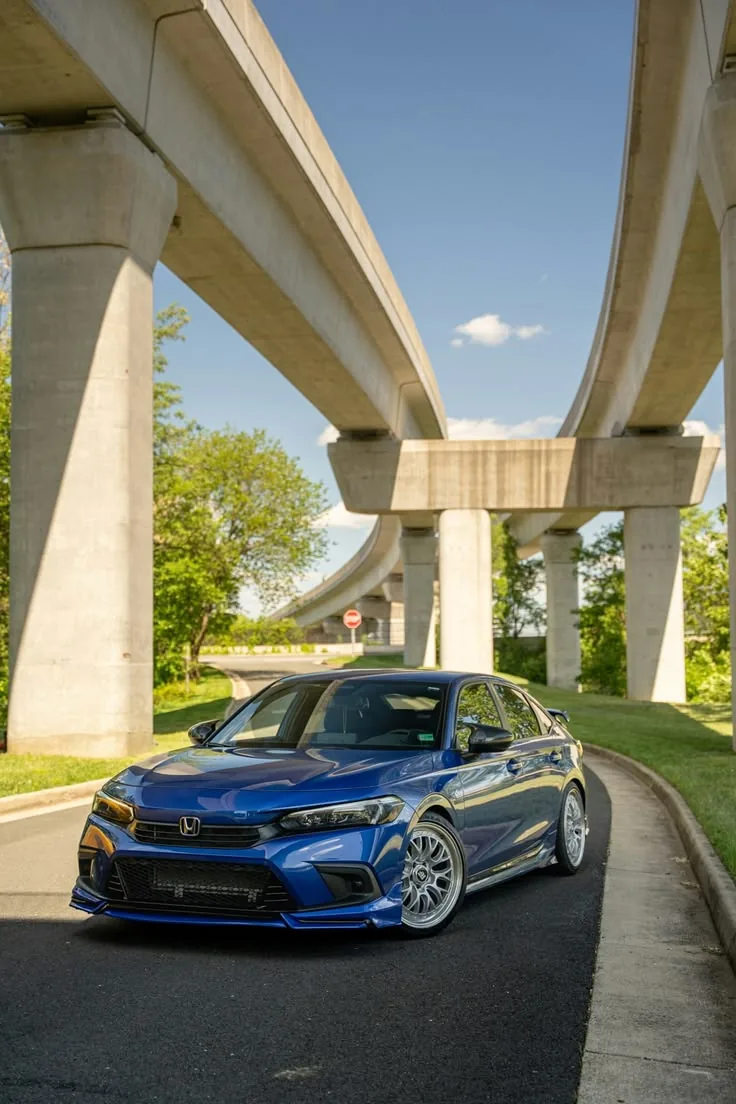
The Honda Civic has been the go-to modification platform for enthusiasts since the 1990s and for good reason. It's lightweight, the engines respond well to modifications, and the aftermarket community is enormous. Whatever you want to do to a Civic — stance, sound, performance, or just making it look sharper — someone has already done it and documented every step.
The 10th gen Civic (2016–2021) in particular is special because the 1.5T engine that comes in the Si and Sport Touring models has serious potential with the right modifications. Even the naturally aspirated 2.0L responds well to bolt-ons. You're working with a solid foundation.
The Five Best First Mods — Ranked Honestly
What Order Should You Do Them In?
Most Civic owners ask whether to do suspension or intake first. The honest answer is suspension is often the first place I'd look. The handling transformation is more dramatic than anything else you can do, it changes how you interact with the car every single day, and it makes every subsequent mod more enjoyable because the car already feels properly set up.
After suspension, intake and exhaust can happen in either order depending on your budget. Many people do intake first because it's cheaper, then save up for a proper cat-back over the following months.
Before you buy anything: Check whether your Civic is still under manufacturer warranty. Some modifications — especially intakes and exhausts — can complicate warranty claims on related components. Read our warranty guide for the full picture.
What to Watch Out For
The most common mistake first-time Civic modders make is buying cheap coilovers. There are $200 coilover kits on Amazon that look the part but run fixed damping, poor quality seals, and spring rates that are either too stiff or completely uncontrolled. You end up with a car that rides worse than stock and handles unpredictably. Spend at least $400–$500 on coilovers from a reputable brand — BC Racing, Tein, KW, Fortune Auto — or go with quality lowering springs instead.
The second most common mistake is installing a cat-back exhaust on a 1.5T without understanding that the turbo changes the sound characteristics significantly compared to a naturally aspirated car. Always listen to sound clips of your specific engine before buying. What sounds great on someone's 2.0L Si might sound completely different on your Sport Touring.
The Mistakes Most First-Time Civic Modders Make
Buying things in the wrong order is the most common one. Someone buys wheels before they know what ride height they want, then gets coilovers later and discovers the wheels rub at the new height. Or they buy an intake, then get a tune, then get an exhaust — and the tuner has to adjust the map twice instead of once. The sequence matters and saves money when you get it right.
Buying cheap versions of expensive modifications is the second mistake. A $150 coilover kit from a no-name brand on a daily driver that you rely on is a false economy — the quality control is poor enough that you're likely replacing it within two years, at which point you've spent more than the mid-tier kit would have cost. The Civic community has enough forum history on this that the lesson is well documented. Entry-level doesn't have to mean unknown brand.
Over-modifying for the use case is the third one. Someone who drives their Civic 45 minutes each way on the highway every day and occasionally enjoys a back road doesn't need track-spec coilovers with 12 kg/mm spring rates. That setup will make the commute miserable. Matching the modification to how you actually use the car, not the most aggressive option available, is what produces a car you enjoy driving rather than one that impresses at car meets and punishes you on Monday morning.
What a Realistic First Year of Mods Actually Costs
Budget planning matters more than most guides acknowledge. Here's what a realistic first-year modification sequence costs on a 10th gen Civic, not including labor where noted:
Window tint — $150-300 professionally installed. Cold air intake — $200-400 for a quality brand. Cat-back exhaust — $350-700 for a name-brand system. Alignment after any suspension work — $100-150. Coilovers — $600-2,000 depending on tier. Wheels and tires — $1,200-2,500 for a quality setup including mounting and balancing.
A realistic "do it properly in year one" budget for someone who wants tint, intake, exhaust, and coilovers is $1,500-3,500 depending on tier choices. A budget that includes wheels and tires as well is $3,000-6,000. These numbers sound large until you compare them against the cost of buying a more expensive car to get the look and feel you're after — the Civic platform delivers exceptional value per modification dollar compared to most alternatives.
for a low-cost visual upgrade, our smoked taillights for Civic guide covers the process from start to finish.
before any modification, read our will mods void your warranty guide — the Magnuson-Moss Act protects you more than most dealers admit.
our LED check engine fix guide explains why this happens and how to solve it without removing the LED bulbs.
Frequently Asked Questions
What are the best first mods for a Honda Civic? Cold air intake, exhaust upgrade, and window tint are the most popular first modifications. They deliver immediate, visible improvements in sound, appearance, and feel without requiring significant technical knowledge or large budgets.
How much should I budget for my first Civic mods? A cold air intake runs $200-400, an exhaust upgrade $300-800, and window tint $150-300. A reasonable first-round budget for meaningful improvements is $500-1,000.
Will modifying my Civic void the warranty? Under the Magnuson-Moss Act, Honda must prove a specific modification caused any failure to deny a warranty claim. Common first mods like intakes and exhausts are unlikely to affect coverage on unrelated systems.
What is the best bang-for-buck Civic modification? Window tint delivers the highest visual impact for its cost. For performance improvement per dollar, an ECU tune (Hondata or KTuner on 1.5T models) delivers more power than almost any bolt-on modification at a similar price.
Is the Honda Civic easy to modify? Yes — the Civic is one of the most popular platforms in the enthusiast community, with one of the deepest aftermarket parts selections of any car in its class. Parts availability, community knowledge, and DIY-friendliness are all strong.
What is the best first mod for a Honda Civic? Window tint delivers the highest visual impact per dollar spent and is completely reversible. For performance, a cold air intake gives the best feel improvement without requiring a tune. For sound, a cat-back exhaust. The right first mod depends on whether you prioritize looks, feel, or sound — all three are valid starting points.
How many miles should I have before modifying a Civic? There is no minimum mileage requirement. Brand new Civics are modified regularly without issue. The only consideration is warranty — understand how modifications interact with factory coverage before spending money if your car is still under warranty.