Cold Air Intake for Honda Civic 2016–2021 — What Actually Works
The 1.5T is a turbo engine which changes how an intake upgrade affects the car. Here's what really changes, what owners are actually experiencing, and what to buy.
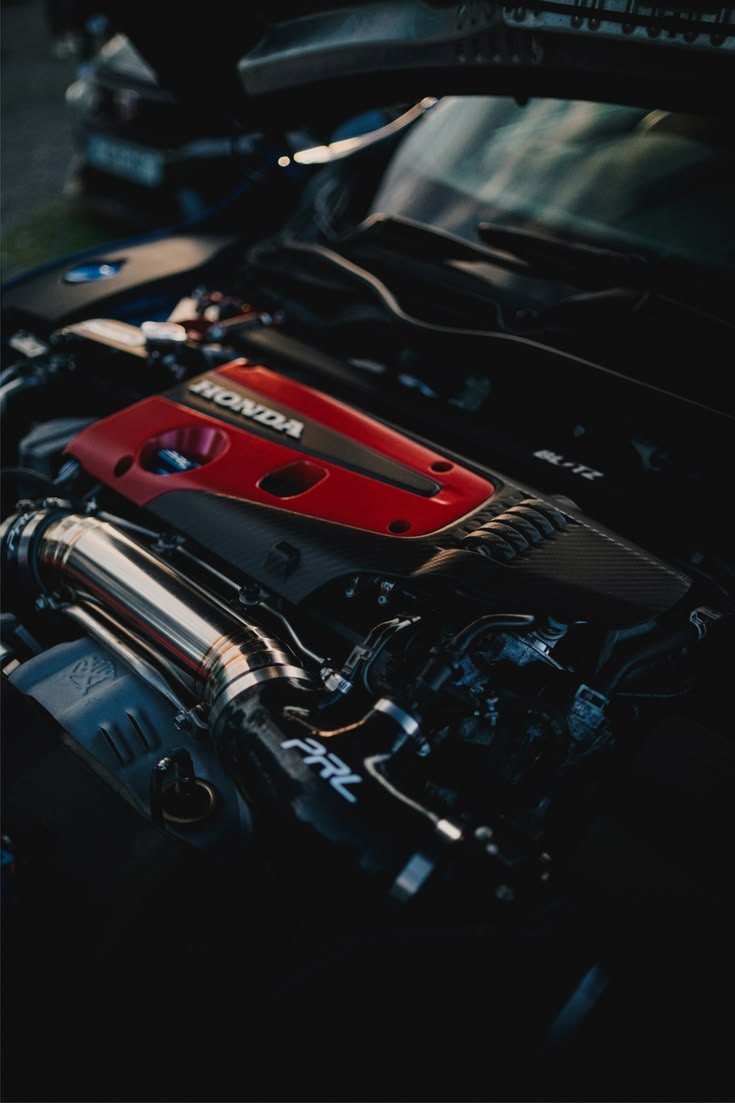
What a Cold Air Intake Does on the Civic 1.5T
The 2016–2021 Honda Civic with the 1.5T engine is a turbocharged platform, which changes how an intake upgrade affects the car compared to a naturally aspirated engine. On a turbo car, the intake doesn't just feed air to the engine — it feeds the turbo compressor. A freer-flowing, cooler intake means the turbo is pulling in denser air and doesn't have to work as hard to build boost.
The result on the 1.5T is slightly quicker boost buildup, better throttle response, and a noticeably better intake sound — that characteristic turbo spool you hear on modified hot hatches comes largely from removing the restrictive factory airbox.
Important for 1.5T owners: Honda's factory intake is particularly restrictive on this engine because it was also designed to muffle intake noise — Honda received complaints about intake resonance on early 1.5T models and added more baffling in the airbox. This means the performance improvement from a quality intake is more noticeable on the Civic 1.5T than on many other cars.
Real Results from Civic 1.5T Owners
What Actually Changes In Your Civic
What to Look for When Buying
Buy vehicle-specific, not universal. The Civic 1.5T has specific fitment requirements and a universal intake is more likely to cause MAF sensor issues and check engine lights. Stick to intakes specifically designed for the 10th gen Civic 1.5T.
Top brands for the Civic: K&N, Injen, AEM, and Mishimoto all make well-regarded intakes for the 1.5T with good fitment and real-world results from thousands of Civic owners.
If you get a check engine light after installation — it's almost always the MAF sensor connection or the ECU needing a relearn. Check our full fix guide here before panicking.
Which Civic Engine Benefits More — 1.5T vs 2.0L
The turbocharged 1.5T and naturally aspirated 2.0L respond to cold air intake upgrades in meaningfully different ways. On the 1.5T, the intake improvement benefits from the turbocharger's amplifying effect — cooler, denser air into the turbo inlet improves compressor efficiency and boost response, and the result is better throttle feel and quicker spool with a supporting tune. The gains are real and felt immediately, particularly the improved throttle response from better boost buildup.
On the naturally aspirated 2.0L in the base Civic, the intake improvement is more direct — better airflow in means more air in the cylinder on each intake stroke. The power gain is smaller than on the turbo car but the improvement in induction sound is arguably more noticeable since there's no turbo buffering the induction noise. The 2.0L benefits most from a cold air intake specifically because there's no intercooler buffering the inlet temperature — cooler air reaches the engine directly.
The Tune Question — When It Matters on the Civic
On the 1.5T, a cold air intake running on the stock ECU calibration delivers 5-8 horsepower and the sound improvement without any additional work. The ECU self-adjusts fuel trims to handle the new airflow within its factory calibration limits. This is perfectly safe and produces a noticeably better car.
Where the tune becomes compelling is when you add both an intake and a cat-back exhaust — at that point a Hondata FlashPro or KTuner tune recalibrates the ECU specifically around both modifications, optimizing boost targets, ignition timing, and fuel delivery simultaneously. The combined intake-exhaust-tune package consistently delivers 30-50 horsepower over stock on the 1.5T, which transforms the driving experience beyond what either modification alone achieves. If the intake is the first step in a planned build that includes an exhaust and tune, plan the tune from the start rather than treating it as an optional add-on.
On the naturally aspirated 2.0L, a tune adds less dramatic value because there's no turbo boost calibration to optimize. The intake alone is the more complete modification on the 2.0L without the same dependency on a tune to extract full value.
for Si-specific modifications beyond the intake, the full guide covers every popular upgrade in order.
for the full picture, our Civic hatchback mods guide covers every popular upgrade for Sport and Sport Touring trims.
for the full picture on warranty implications of modifications, the dedicated guide covers what Honda can and cannot deny coverage for.
our cold air vs short ram intake guide covers which configuration makes more sense on turbocharged platforms specifically.
Frequently Asked Questions
What cold air intake fits the Honda Civic 1.5T? K&N 63 Series Aircharger, PRL Cobra, and Injen cold air intakes are the most popular confirmed fitments for the 10th and 11th gen Civic 1.5T. Always verify the specific part number for your year and trim.
Will a cold air intake throw a check engine light on my Civic? Not typically with a properly fitted, Civic-specific intake from a reputable brand. Generic universal intakes with incorrectly positioned MAF sensors can trigger P0101 or P0171 codes. Stick to Civic-specific kits.
Does a cold air intake improve fuel economy on the Civic? Marginally. The improved efficiency can improve fuel economy slightly at steady highway speeds, but enthusiastic driving with the improved throttle response often offsets this in real-world use.
Do I need a tune with a cold air intake on the Civic? Not immediately — the Civic's ECU handles moderate airflow increases within its stock parameters. A tune unlocks significantly more performance potential from the same hardware.
Which sounds better on the Civic, short ram or cold air intake? Cold air intakes sound better under hard acceleration since the filter is further from engine heat and airflow is more consistent. Short rams sound more immediate at low speeds but suffer heat soak in traffic.
What is the best cold air intake for the Honda Civic 1.5T? K&N 63 Series is the most proven mainstream option with broad availability and a strong install base on the 10th gen Civic. AEM Brute Force is a strong dry filter alternative. Both deliver comparable real-world results.
Will a cold air intake cause a check engine light on the Civic? A properly installed quality intake should not cause codes. P0171 or P0172 codes after intake install indicate either a vacuum leak at the intake coupler or oil contamination on the MAF sensor from over-oiling. Both are fixable without removing the intake.
How much horsepower does a cold air intake add to the Civic? 5-10 horsepower standalone on the 1.5T. 25-40 horsepower when combined with an exhaust and a supporting Hondata or KTuner tune that recalibrates around the full hardware package.
Does a Civic intake improve fuel economy? Not meaningfully in practice. The improved throttle response typically encourages more enthusiastic driving that offsets any efficiency gain from the airflow improvement. The intake for sound and feel improvement, not MPG claims.
How long does a K&N intake last on a Civic? The intake tube and hardware last the life of the car. The filter itself lasts indefinitely with proper cleaning and re-oiling every 50,000 miles. Total cost of ownership over 10 years is lower than replacing factory paper filters on schedule.
For a platform as well-documented as the 10th gen Civic, the intake decision benefits from years of real owner data — the community has already figured out what works, what causes issues, and what order to do things in.
The cold air intake is the most common first performance modification on the 10th and 11th gen Civic for good reason — it delivers an immediately noticeable improvement in how the car sounds and responds without requiring any supporting modifications to work correctly. For a platform as popular as the Civic, this means extensive real-world validation across a wide range of driving conditions and build configurations.