Honda Civic Window Tint Guide — Best Percentage and What to Know
Window tint is one of the best value modifications you can make to a Civic — it transforms the look, adds privacy, reduces heat inside the cabin, and protects your interior. Here is exactly what percentage to choose and what it costs.
Why Tint Looks So Good on the Civic
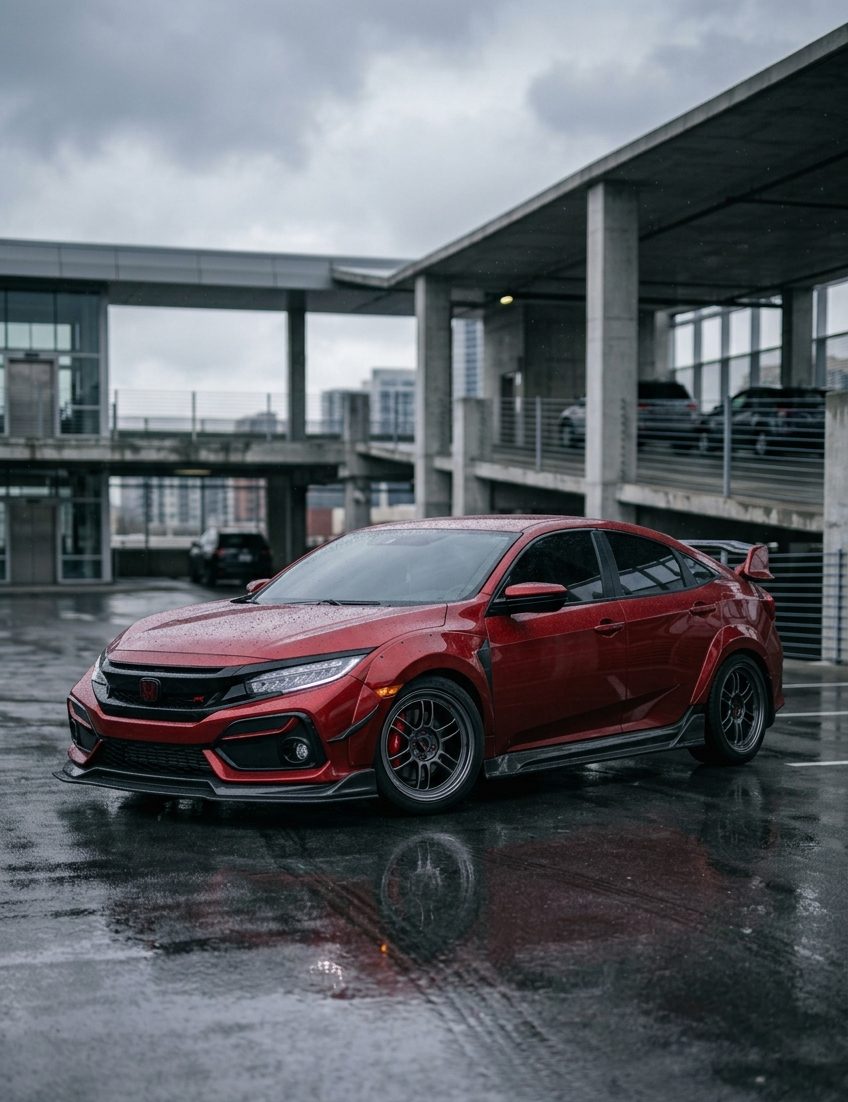
The Honda Civic has large glass areas relative to its body size — particularly the rear side windows and rear windshield. This makes window tint more visually impactful on the Civic than on many other cars. A properly tinted Civic looks purposeful and premium in a way the untinted version simply does not.
Beyond aesthetics tint reduces solar heat entering the cabin — on a black or dark coloured Civic parked in the sun the interior temperature difference with quality tint is significant. It also blocks UV rays that fade your interior over time.
Tint Percentages — What Each Looks Like on the Civic
| Percentage | Appearance on Civic | Privacy | Legal Front Windows? |
|---|---|---|---|
| 50% | Very light — barely noticeable | Low | ✅ Most states |
| 35% | Medium — clearly tinted | Medium | ✅ Most states |
| 20% | Dark — hard to see in from outside | High | ⚠️ Rear only most states |
| 15% | Very dark | Very high | ❌ Illegal most states |
| 5% Limo | Nearly opaque | Maximum | ❌ Illegal |
The Most Popular Civic Tint Setup
After thousands of Civic builds the most consistently recommended tint setup is 35% on the front side windows and 20% on the rear side windows and rear windshield. This combination is legal in most US states, looks aggressive without being extreme, and creates a visual gradient effect that suits the Civic's proportions well.
For hatchback owners specifically — the large rear hatch glass is the most visible panel from the outside. 20% on the hatch glass dramatically changes the entire rear end appearance and is one of the most impactful single modifications on the hatchback body style.
Check your state laws first: Window tint laws vary significantly by state. California requires 70% for front side windows. Texas allows 25% front. Florida requires 28% front. Always verify your specific state's current regulations before tinting — a fix-it ticket means removing the tint at your own cost.
Professional Tint vs DIY — Honest Comparison
| Category | Professional | DIY |
|---|---|---|
| Cost | $120-200 full car | $30-60 materials |
| Result | Excellent — no bubbles | Good with patience |
| Time | 3-4 hours at shop | 5-8 hours first time |
| Warranty | Usually 1-5 years | None |
| Difficulty | None for you | Medium to hard |
The Civic's Hardest Window to DIY Tint
The rear windshield is the most challenging window on any Civic body style. The 10th gen sedan's rear glass has a compound curve that makes getting a bubble-free result without professional tools genuinely difficult. Most DIY tinters recommend starting with the flat rear side windows to build skill before attempting the rear windshield.
For the hatchback the large rear hatch glass is even more challenging — the curve is more pronounced and the glass area is larger. Most hatchback owners choose professional installation specifically for the rear hatch glass even if they DIY the rest of the windows.
Best Tint Brands for DIY
Gila is the most widely used DIY tint brand — available at most auto parts stores and Amazon, easy to work with for beginners, and produces acceptable results at a very low price point.
LEXEN offers slightly better quality than Gila at a similar price point — good choice for a first DIY attempt where you expect some trial and error.
3M makes professional grade film that is available for DIY purchase — significantly more expensive but produces results closer to professional installation quality.
Heat Rejection — Why Ceramic Tint Is Worth Considering
Standard dyed tint blocks visible light but does not block infrared heat as effectively as ceramic tint. Ceramic window tint uses nano-ceramic particles to block significantly more heat than dyed film at the same visible light transmission percentage. A 35% ceramic tint blocks substantially more heat than a 35% dyed tint while looking identical from the outside.
The trade-off is cost — ceramic tint typically costs 2-3x more than standard dyed film for professional installation. For daily drivers in hot climates the heat rejection improvement is worth the extra cost. For cooler climates or primarily aesthetic purposes standard dyed film does the job. If you're also planning to tint your taillights for a matching blacked-out look, our smoked taillights guide covers the legality and film options for that as well.
Ceramic vs Dyed vs Carbon — Which Film to Choose
The darkness percentage gets most of the attention when people are shopping for window tint — but if you're also thinking about smoked taillights for a more blacked-out look, our smoked taillights guide covers the legality angle which follows similar state-by-state rules, but the film type matters just as much for heat rejection and longevity. For the full breakdown on what different percentages look like in practice, our window tint percentages guide covers the visual and functional differences across the full range. — and it's where most of the price difference between shops actually comes from.
Dyed film is the entry-level option. It uses a layer of dye to block light, looks good initially, and is the cheapest option available. The trade-off is that dye fades faster than other film types, particularly in high-UV environments, and dyed film rejects heat primarily by absorbing it rather than reflecting it — which means the glass itself gets hot, and some of that heat still radiates into the cabin.
Carbon film is a step up — uses carbon particles rather than dye, which are significantly more stable and don't fade the way dye does. Better heat rejection than dyed film, longer lifespan, and a slightly different visual quality that many people prefer. Good middle-ground option for most daily drivers.
Ceramic film is the premium option and the one that makes the most meaningful functional difference. Ceramic particles reflect infrared radiation rather than absorbing it, which means the glass stays cooler and significantly less heat enters the cabin even at the same darkness percentage as cheaper films. A 50% ceramic tint can reject more heat than a 20% dyed tint — which is the key fact that makes ceramic worth understanding even if budget pushes you toward a cheaper option initially.
Finding a Good Tint Shop
This matters more than most people realize before their first tint job, and less than they think they need to research afterward if they found a good shop. The quality of the installation determines whether you end up with bubbles, lifting edges, purple-shifted film in two years, or a clean result that looks factory.
What separates a good tint shop from a mediocre one: they use a cut machine rather than hand-cutting your specific car (computer-cut patterns eliminate the risk of film cut lines visible through the glass), they let film cure properly before you drive away rather than rushing you out, and they'll tell you honestly which film brands they use rather than giving vague answers about "premium film."
Ask specifically what brand of film they install. Reputable brands include Llumar, 3M, Suntek, and Xpel. A shop that can't or won't tell you the brand name of the film going on your car is a shop worth walking away from.
Frequently Asked Questions
What tint percentage is best for a Honda Civic? 35% on the rear windows is the most popular choice — dark enough to look intentional and provide real privacy and heat rejection, light enough to maintain reasonable visibility at night. 20% is popular for a darker appearance where legal. Always check state laws.
Is window tint legal on a Honda Civic? Tint laws vary by state. Most states allow any darkness on rear windows but restrict front side windows to 35-50% VLT. Windshield tint is typically restricted to a small strip at the top. Check your specific state law before tinting.
How much does it cost to tint a Honda Civic? Professional tinting for the full car runs $150-400 depending on film quality and shop rates. Premium ceramic tint costs more but provides better heat rejection and color stability. Budget shops using entry-level film can be significantly cheaper.
Does window tint reduce heat in the Civic? Yes significantly — quality window tint blocks 40-60% of solar heat depending on darkness and film type. Ceramic tint blocks more heat than standard dyed film regardless of darkness percentage.
How long does window tint last on a Civic? Quality professional tint lasts 5-10 years before fading, bubbling, or purple-shifting. Cheaper dyed films fade faster, especially in high-sun climates. Carbon and ceramic films maintain appearance significantly longer.
What tint film brand should I ask for? Llumar, 3M, Suntek, and Xpel are the most reputable brands consistently used by quality shops. If a shop can't tell you what brand they're installing, that's a red flag.
Is ceramic tint worth the extra cost on a Civic? Yes if heat rejection is a priority — ceramic film blocks significantly more infrared radiation than dyed or carbon films at the same darkness level. In hot climates, the cabin temperature difference is noticeable enough to justify the price premium for most owners.