Honda Civic Si Mods Guide — Best Upgrades for 10th and 11th Gen
The Civic Si is the most modded Civic trim for good reason — the K20C2 engine responds exceptionally well to bolt-on modifications and the platform has one of the deepest aftermarkets of any compact car. Here is exactly where to start.
Why the Civic Si Is Such a Great Platform to Modify
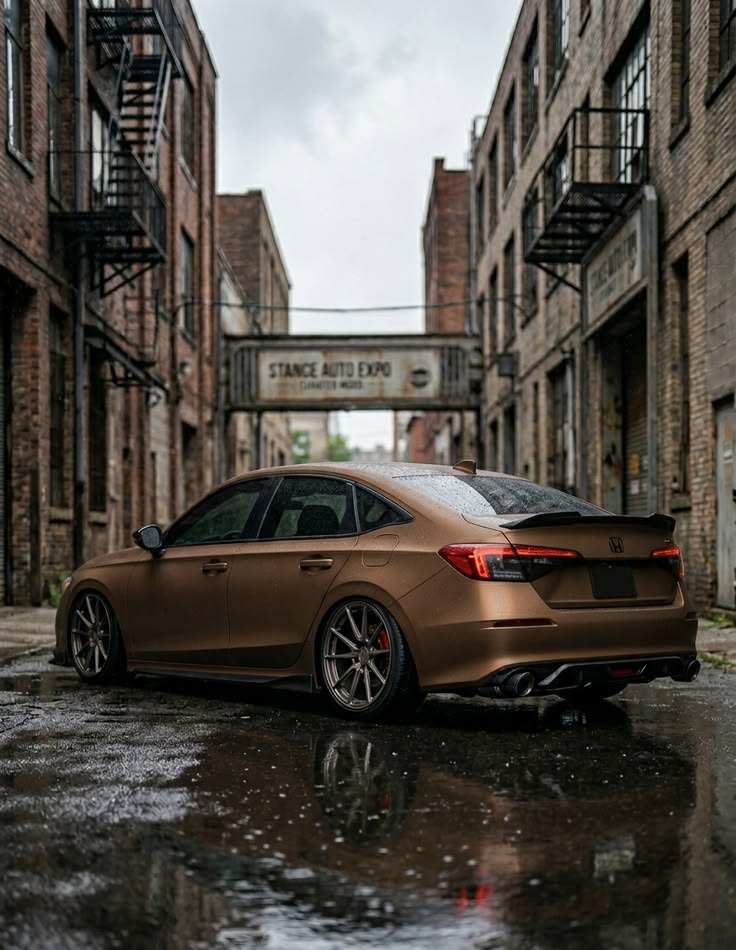
The Civic Si sits in a unique position in the Honda lineup. It is not as extreme as the Type R but it is significantly more performance focused than the standard Civic. The K20C2 turbocharged 1.5L engine makes 200 horsepower from the factory and responds meaningfully to modifications — intake, exhaust, tune and supporting mods can push that well past 240 WHP without touching the internals.
The six-speed manual transmission is standard equipment — there is no automatic option — which means every Si owner already has the most engaging drivetrain Honda offers in this segment. Modifications on a manual Si feel significantly more rewarding than on an automatic because you feel every improvement directly through the car.
The 10th gen Si (2017-2021) and 11th gen Si (2022-2025) share the same basic architecture and respond to modifications in very similar ways. Most of the guidance below applies to both generations unless specifically noted.
The Best First Mods for the Civic Si — Ranked
10th Gen Si vs 11th Gen Si — Key Differences for Modding
| Category | 10th Gen Si (2017-2021) | 11th Gen Si (2022-2025) |
|---|---|---|
| Engine | K20C2 1.5T 205HP | K20C4 1.5T 200HP |
| Tune support | Excellent — KTuner, Hondata | Growing — check current support |
| Aftermarket depth | Very deep — 7+ years | Growing — newer platform |
| Intake options | Many — Injen, PRL, K&N | Fewer but growing |
| Exhaust options | Many — Borla, Injen, AWE | Good selection available |
| Coilover options | Excellent selection | Good selection |
11th gen Si owners: Always verify current tune and parts compatibility for your specific model year before purchasing. The 11th gen platform is newer and some products that work on the 10th gen may not yet be available or compatible. Check manufacturer fitment guides carefully.
The Tune — Why It Matters More on the Si
On a standard Civic with a naturally aspirated engine a tune delivers modest gains. On the turbocharged Si a tune is genuinely transformative. The K20C2 is conservatively tuned from the factory — Honda leaves significant headroom for exactly this reason. A quality tune adjusts boost pressure, fuel mapping, ignition timing and the rev limit to extract the engine's real potential.
The most important thing to understand is that a tune combined with a supporting cold air intake delivers significantly more power than either modification alone. The intake provides cooler, denser air — the tune uses that air charge more aggressively. They compound each other.
Suspension — What the Si Actually Needs
The Si comes from the factory with a more aggressive suspension tune than the standard Civic — stiffer springs, larger anti-roll bars, and a more direct steering setup. This means the starting point for suspension modifications is already better than a standard Civic.
Lowering springs on the Si are a popular entry point — Eibach Pro-Kit and H&R Sport both make Si-specific kits that complement the factory suspension tune rather than fighting it. A modest 20-25mm drop dramatically improves the visual stance and slightly sharpens handling without destroying daily drivability.
Coilovers give you full control — adjustable ride height and damping so you can dial in exactly the balance between daily comfort and performance driving. The Si is a genuinely capable track day car with the right coilover setup.
Sound — What the Si Should Sound Like
The stock Si exhaust is one of the most common complaints among new Si owners. For a car positioned as Honda's performance compact it sounds remarkably ordinary. An aftermarket cat-back fixes this completely — the K20C2 has a naturally high-revving, mechanical character that an aftermarket exhaust brings out beautifully.
The Borla S-Type axle-back is a popular entry point for owners who want improved sound without the full cat-back investment. For maximum sound and performance improvement the full cat-back is worth the extra cost.
The Mod Sequence That Actually Makes Sense
Most Si owners make the mistake of buying parts in whatever order they can afford them rather than thinking about which sequence extracts the most value from each modification. The order matters more on the Si than on most platforms because the tune multiplies the effect of everything before it.
The right sequence: intake first, then exhaust, then tune. The tune should come after both intake and exhaust are in place because the ECU calibration is done around your specific hardware combination — a tune written for a stock intake and then run with an aftermarket intake is a worse tune than one written for both together. Getting the intake and exhaust in first means you pay for one tune that optimizes for your actual setup rather than tuning twice.
Coilovers can go anywhere in that sequence since they don't interact with the powertrain calibration. Most owners do coilovers either before or after the powertrain work depending on whether they prioritize how the car feels or how it performs. Both approaches work.
What to avoid buying early: big brake kits, sway bars, strut braces, and chassis reinforcement. These modifications show meaningful benefit on a car that's already been tuned and has sticky tires — on a stock or mildly modified Si they're spending money on changes you can't feel yet.
The LSD — What It Changes About How You Modify
The Si's limited-slip differential is the modification that Honda already did for you, and most guides don't explain why it changes the modification priorities. On a front-wheel-drive car without an LSD, power-on understeer is the primary handling limitation — the inside wheel spins, the outside wheel does nothing, and the car pushes wide. An LSD transfers torque to the wheel with more grip, which fundamentally changes how the front end behaves under power.
This means coilover setup matters differently on the Si than on a standard Civic. Stiffer front spring rates reduce body roll and allow the LSD to work more effectively because the car stays flatter through corners. The standard Civic benefits less from stiff coilovers specifically because there's no LSD to take advantage of the improved platform stability. When Si owners say coilovers transformed their car, part of what they're feeling is the LSD finally having the chassis stiffness to do its job properly.
It also means the Si responds better to alignment adjustments than the standard Civic. More negative front camber, combined with coilovers and the LSD, creates a front end that bites into corners rather than pushing through them. This is why Si-specific alignment specs from tuners tend to be more aggressive than what a generic alignment shop will set.
our best wheels for Civic Si guide covers fitment at stock and slightly lowered ride heights.
Frequently Asked Questions
What are the best mods for the Honda Civic Si? Cold air intake, cat-back exhaust, and Hondata or KTuner ECU tune are the three most impactful first modifications. The 1.5T Si responds strongly to a tune — more than almost any other bolt-on. Coilovers are the next logical step for handling improvement.
How much power can the Civic Si make with bolt-ons? A well-tuned Civic Si with intake, exhaust, and supporting modifications can reliably make 230-270 wheel horsepower on the stock turbo. Further power requires turbo upgrades.
Does the Civic Si have a limited-slip differential? Yes — the 10th gen Civic Si has a limited-slip differential (LSD) as standard equipment, which is a significant advantage over the standard Civic for performance driving. This is one of the Si's key differentiators from the standard 1.5T.
What tune should I get for the Civic Si? Hondata FlashPro is the most established and widely supported tune platform for the Si. KTuner is a competitive alternative with similar capabilities. Both require a local tuner or can be run with off-the-shelf maps as a starting point.
Does the Civic Si need upgraded brakes for track use? The stock Si brakes are adequate for street driving but benefit from upgraded pads and brake fluid before sustained track use. The Si's front brakes work hard under repeated track braking and stock pads fade earlier than upgraded compounds.