Do You Need a Tune After a Cold Air Intake?
Most intakes designed for your exact engine run fine on the stock tune. Some don't, and a few only make sense with a tune. Here is how to tell which one you have.
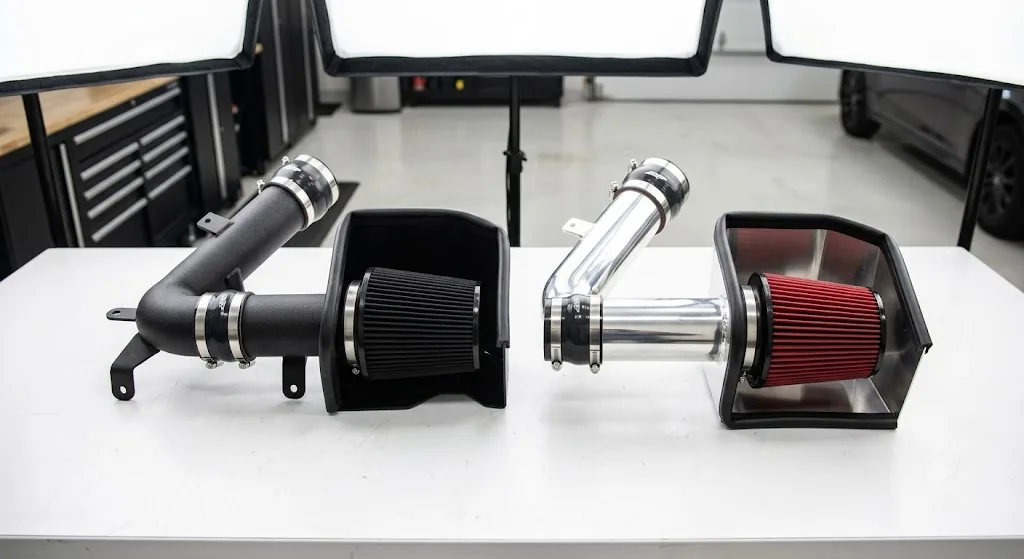
Why Some Intakes Need a Tune and Others Don't
Most modern engines measure airflow with a mass airflow (MAF) sensor. The engine computer's fuel tables assume the sensor sits in a tube of a specific size and shape. If an aftermarket intake keeps that geometry, the sensor reports airflow correctly and the factory calibration still works. If the kit uses a larger housing, the air moves more slowly across the sensor, it under-reports airflow, and the engine can run lean or set codes until the calibration is changed.
That's why the product listing matters more than the brand. Look for wording such as "no tune required" or an emissions certification for your vehicle, and avoid kits listed as "requires tune" unless you plan to tune.
When a Tune Is Required or Strongly Recommended
The MAF housing is larger than stock. This is the most common reason. Without a tune you may see a lean code such as P0171, rough idle or hesitation.
The car is already tuned. A custom tune is written for the parts that were on the car. Change the intake and the tune may need a revision for the new airflow.
You want measurable power on a turbo engine. On turbocharged engines like the Civic 1.5T, Si and Type R, an intake mostly adds sound until the calibration takes advantage of it. That's why many Civic owners tune first and add the intake later.
When the Stock Tune Is Fine
For an intake designed for your exact engine, with factory-sized MAF housing, the stock calibration is normally fine. You still get the main thing most owners notice: more induction sound. Any measured change in power is usually small and depends on the test conditions.
Platform Notes
| Platform | Stock tune with an intake | What a tune changes |
|---|---|---|
| Honda Civic 1.5T / Si | Fine with matched kits; mostly sound | Most of the power gain; KTuner and Hondata support the 10th gen well |
| Civic Type R | Fine with matched kits; watch for heat soak | Lets the calibration use extra airflow |
| F-150 5.0 Coyote | Many kits run on the stock tune | Modest gains; more noticeable with other bolt-ons |
| Silverado 5.3 | Many kits run on the stock tune | Modest gains; tuning is also used to manage AFM/DFM |
For model picks, see the best cold air intake for the F-150 5.0, the Silverado 5.3 intake guide and the Civic Si intake guide.
Does a Cold Air Intake Improve Gas Mileage?
Not in a way most people will measure. Fuel is metered to the air the engine actually uses, so an intake doesn't make the engine more efficient on its own. Speed, tire pressure, load and driving style have a much bigger effect. Many owners drive harder once they hear the intake, which cancels any small change. A tune can change fuel economy in either direction depending on how it is written.
Before You Tune: Warranty and Emissions
A tune changes the engine calibration, which a dealer can see. It can make warranty claims for related parts harder, so read will mods void your warranty first. In states with strict emissions rules, only use parts and tunes that are certified for road use on your vehicle.
Frequently Asked Questions
Will a cold air intake throw a check engine light without a tune? A kit designed for your car shouldn't. If it does, check the installation first; see check engine light after a cold air intake.
How much horsepower does a cold air intake add on an F-150 5.0? Published numbers vary by product and test method. Treat dyno claims as best-case and expect sound to be the biggest change on a stock-tuned truck.
Should I do the intake or the tune first? On turbo Civics, the tune usually comes first. On naturally aspirated trucks, an intake on the stock tune is a common first step for sound.
More Cold air intakes guides
- Cold Air Intake Pros and Cons — The Honest Truth
- Cold Air vs Short Ram Intake — Which Wins
- How a Cold Air Intake Works — Explained
- K&N vs AEM Intake: Oiled vs DryFlow Filter Compared
- P0171 After Cold Air Intake: Why It Runs Lean and How to Fix It
- Check Engine Light After Cold Air Intake? 5 Causes + Fixes