The First Three Mods for Your New Civic Type R
The FK8 Type R is an exceptional car straight from the factory, with Brembo brakes and a performance-focused chassis. Factory power figures vary by market, so this guide focuses on the parts of the driving experience you can actually improve.
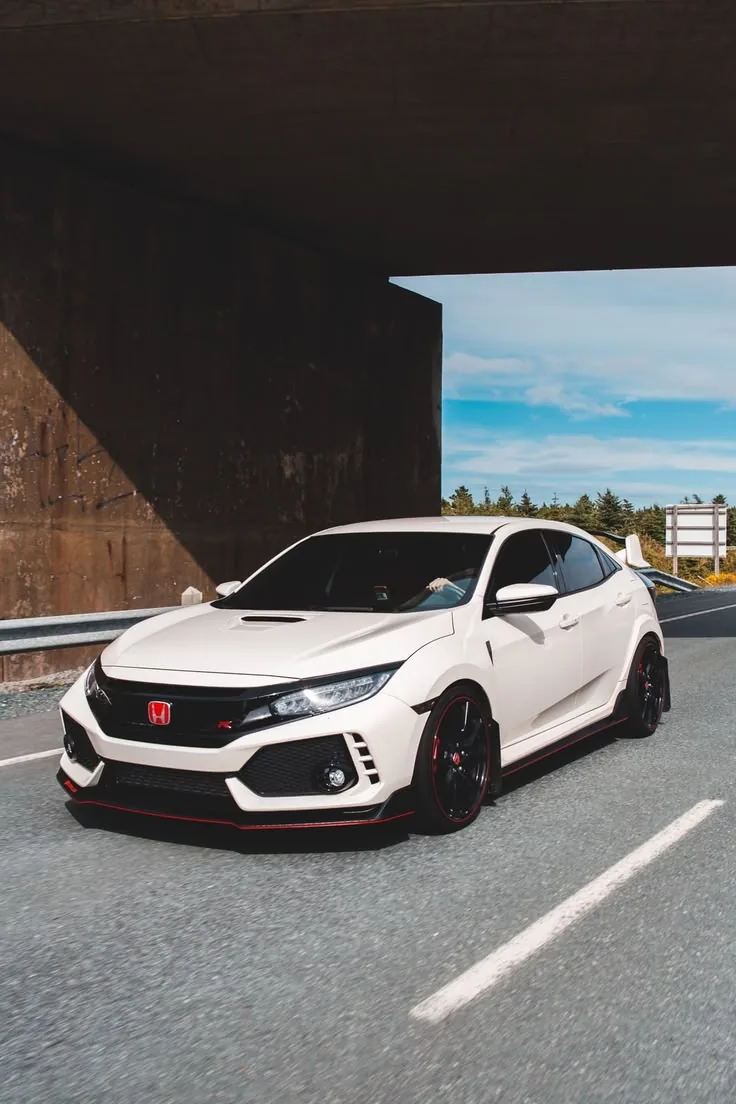
Why the Type R Is Such a Strong Platform to Build On
The FK8 Civic Type R arrives from the factory with Brembo brakes, a performance-focused chassis and a turbocharged K20C1; factory output varies by market and model year. It is an exceptional car out of the box and that factory quality is exactly what makes it such a rewarding platform to modify — every upgrade you add builds on an already capable foundation rather than trying to fix factory shortcomings.
The modification philosophy that makes sense for the FK8 is different from a standard Civic — and that includes tires, where our guide to the best tires for the Civic Type R covers Michelin PS4S, Continental ExtremeContact, and track options for owners who run the car hard. or Civic Si. You are not correcting factory compromises — you are extending the capabilities of a car that already does most things correctly. That means the order of modifications matters more and the temptation to chase peak power numbers before improving feel and sound is worth resisting.
Mod 1 — Cold Air Intake
The intake is the right starting point for the FK8 for three reasons. First, it delivers the most immediate change in how the car feels to drive — sharper throttle response from the first pull. Second, it transforms the induction sound the K20C1 produces, opening up the turbo spool noise that the stock airbox deliberately suppresses. Third, it lays the foundation for a tune by giving the ECU something meaningful to work with when you get there.
The K&N Typhoon intake is the most accessible and well-proven option for the FK8 — our guide to the best cold air intake for the Civic Type R covers every popular option including PRL, aFe, and Injen with honest comparisons. It fits correctly, requires no modification, and delivers the airflow improvement and sound character most FK8 owners are after without requiring an immediate tune. Our full Type R intake and exhaust guide covers every popular option with honest comparisons if you want to go deeper before deciding.
Mod 2 — Brake Pad Upgrade
If you are going to use your FK8 the way it was designed to be used — hard on a back road, occasionally on a circuit — the brake pad upgrade is not optional. The Brembo 4-piston front calipers are excellent hardware. The stock pads are the limiting factor. Under sustained hard use they fade before the calipers come close to their limits.
Upgraded pads with a high-temperature fluid flush should happen before your first track day without exception. Dixcel Z Type pads paired with fresh DOT 5.1 fluid is the recommended combination for owners who split time between road and occasional track use.
Mod 3 — Cat-Back Exhaust
An aftermarket cat-back can change the exhaust note and may change flow or weight, but the measurable result depends on the exact system and vehicle setup. Treat sound, fitment and livability as separate decisions, and use product-specific test data for any power claim.
The HKS Legamax Premium is the most recommended system for FK8 owners who want genuine build quality and real performance gains alongside the improved sound. Our dedicated Civic Type R exhaust guide covers every major cat-back system including aFe Takeda and MagnaFlow SPEQ with honest sound and drone comparisons. Twin-exit stainless steel construction, burnt titanium tips, and a 50% reduction in back pressure make it the benchmark system in the FK8 community.
FK8 vs FL5 — Does This Apply to Both?
The guidance in this article is written primarily for the FK8 (2017-2021 Civic Type R). The FL5 (2023-present) is the follow-up generation and while it shares the same basic philosophy — turbocharged Honda engine, Brembo brakes, track-tuned chassis — the specific parts, tuning platforms, and aftermarket availability differ.
| Area | FK8 (2017-2021) | FL5 (2023-present) |
|---|---|---|
| Engine | K20C1 2.0T — market-specific output | K20C1 2.0T — market-specific output |
| Brakes | Brembo 4-piston front | Brembo 4-piston front (larger) |
| Intake aftermarket | Deep — many options | Growing — verify FK8 vs FL5 fitment |
| Exhaust aftermarket | Excellent selection | Good and growing |
| Tune support | Hondata, KTuner — mature | Hondata FlashPro — check current support |
| Brake pads | Same Brembo caliper — many options | Larger caliper — verify fitment |
If you own a FL5, verify fitment against the FL5 specifically before purchasing any part referenced in this article. The FK8 aftermarket is more mature — most products have been developed, tested and reviewed by the community across several years. The FL5 market is building quickly but always confirm before ordering.
What to Avoid on the FK8 — Common Mistakes
Total Cost for the First Three Mods
| Modification | Budget | Recommended |
|---|---|---|
| Cold Air Intake | K&N Typhoon ~$350 | PRL Cobra ~$500 |
| Brake Pads + Fluid | Basic upgrade ~$150 | Dixcel Z Type + Motul RBF600 ~$250 |
| Cat-Back Exhaust | Injen ~$700 | HKS Legamax ~$1,200 |
| Total | ~$1,200 | ~$1,950 |
Realistic build budget: Budget around $1,500-2,000 for the first three modifications done properly. That is intake, upgraded pads with fluid, and a quality cat-back exhaust. These three changes transform how the FK8 sounds, feels and performs on both road and occasional track use — without touching anything that complicates the powertrain warranty picture.
The Right Order — Summary
| Order | Modification | Why This Order | Approx Cost |
|---|---|---|---|
| 1st | Cold Air Intake | Immediate feel and sound improvement, foundation for tune | $300-500 |
| 2nd | Brake Pad Upgrade + Fluid | Safety before track use, unlocks what the Brembos can do | $150-250 |
| 3rd | Cat-Back Exhaust | Completes the sound and performance airflow picture | $800-1,500 |
| 4th | ECU Tune | Maximises intake and exhaust investment | $400-700 |
| 5th | Intercooler | Supports tune under sustained boost | $400-600 |
The FK8 principle: Build feel and sound first, then power. The factory chassis and brakes give you a strong foundation. Don't chase horsepower before you've improved how the car sounds, feels, and stops — those changes compound the driving experience far more than raw numbers.
First Mods by Goal
Daily Driver
Start with tires, an alignment and wheels only if the stock setup no longer suits your roads or style. Mild suspension changes should preserve bump travel and daily comfort.
Performance
Prioritize maintenance, tires and cooling before chasing peak power. Intake, exhaust and a conservative tune should be selected as a compatible package, not as unrelated parts.
Canyon Driving
Tires, brake pads, fresh fluid and a sensible alignment usually improve confidence more than a loud exhaust. Suspension should retain usable travel on uneven pavement.
Appearance
Wheels, a measured drop, tasteful aero and lighting can change the car without compromising its daily role.
What Not to Modify First
Do not begin with extreme lowering, oversized wheels, aggressive spacers, cheap coilovers or an exhaust that makes highway driving tiring. Premature tuning can also create a weak foundation if cooling, tires and maintenance are not ready. Use the best Type R tires guide, wheel guide, coilover guide and brake-upgrade guide to build in a useful order.
Type R First-Mod Planning Checklist
What should I modify first on a daily Type R?
Start with the area that limits your driving experience. For many owners that may be tires, brake pads or a carefully selected suspension change rather than an engine modification. If the car is already fast enough, improving control and confidence can produce a larger real-world benefit than chasing a small peak-power increase.
Should I tune a Type R before upgrading the chassis?
There is no universal order, but tuning should be considered alongside warranty, fuel, supporting hardware and intended use. If your goal is a more enjoyable street car, it can make sense to establish tires, brakes and chassis behavior first so the car remains balanced.
How many mods should I install at once?
One system at a time is easier to evaluate and troubleshoot. Keep notes about the parts, settings and alignment. This makes it easier to identify what actually improved the car and to reverse a change that created an unwanted compromise.
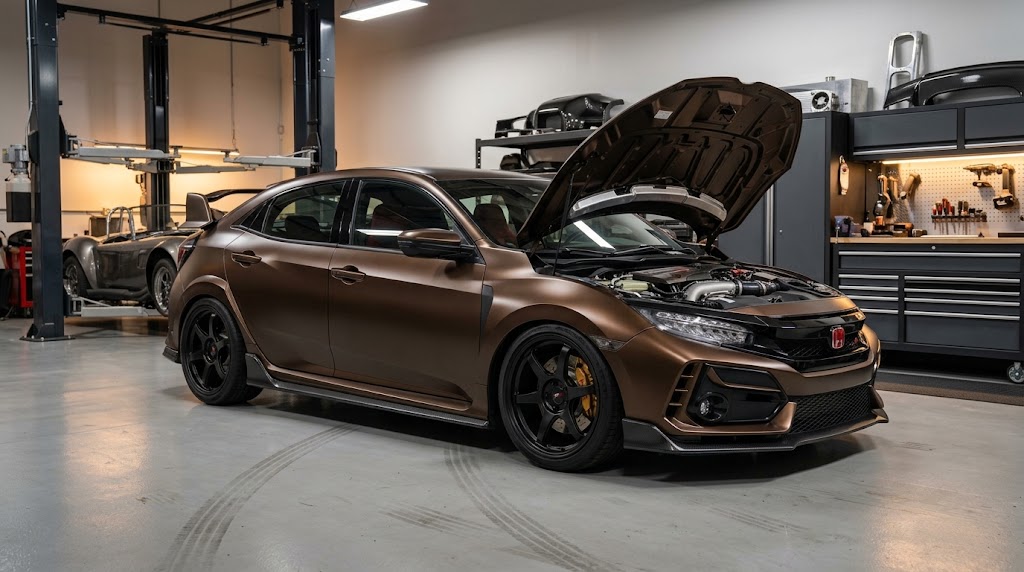
How the First Mods Should Change for a Daily Driver
The best first modification is not necessarily the part with the biggest dyno claim. For a street-driven Type R, reliability, drivability and the ability to diagnose one change at a time are more useful. Intake, brakes and exhaust can each change the car without forcing an owner into a complicated multi-part build immediately.
If you move toward additional airflow hardware, keep the supporting pieces matched. An intake, intercooler and turbo-inlet change should be evaluated as a system, and any tuning decision should follow the actual hardware installed rather than a generic horsepower promise.
Where the New Parts Fit in the Build
Owners considering more than the original three modifications can use the dedicated guides for Type R intake options, coilovers, brake pads and FK8 exhaust systems. That keeps this first-mods page focused on sequencing instead of turning it into another product catalog.
Frequently Asked Questions
What are the best first mods for a Civic Type R FK8? Cold air intake, brake pad upgrade with fresh fluid, and a cat-back exhaust are the most impactful first modifications. The brake upgrade is essential before any track use. Intake and exhaust deliver immediate sound and throttle response improvements.
How much does it cost to start modifying a Civic Type R? A cold air intake runs $300-500, brake pad and fluid upgrade $150-250, and a cat-back exhaust $800-1,500. A reasonable first-round budget for meaningful improvements is $1,200-2,000.
Does the Civic Type R benefit from a tune? Significantly yes — the turbocharged K20C1 responds strongly to a tune. Hondata FlashPro is the most established platform for the FK8, allowing full boost and fueling calibration. A tune is the highest horsepower-per-dollar modification available.
What is the difference between FK8 and FL5 Type R? The FK8 is the 2017-2021 generation. The FL5 is the 2023-present generation with revised chassis/body details and market-specific factory output. Both use the K20C1 turbo engine. The FK8 has a more mature aftermarket.
Is the Civic Type R good for track days in stock form? Genuinely excellent — the FK8's Brembo brakes, limited-slip differential, and adaptive suspension make it one of the most capable front-wheel-drive track cars available without modification. It holds the Nurburgring front-wheel-drive lap record for its era.
Suspension planning: Before changing springs or dampers, compare a rear sway bar upgrade and adjustable end links →Best exhaust tips for Civic Type R for your Civic Type R.