Best Leveling Kit for Silverado 1500 — Ranked
A leveling kit is the most impactful visual modification available for the Silverado 1500 per dollar spent. The right kit also opens up larger tyre fitment without rubbing. Here is exactly what each option delivers.
What a Leveling Kit Actually Does
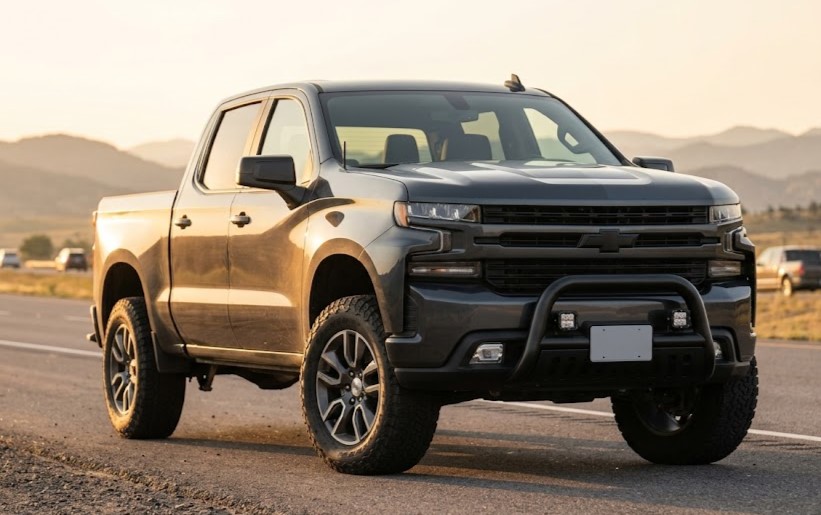
From the factory, Silverado 1500 trucks sit with the front end approximately 1-2 inches lower than the rear. This rake is intentional — it compensates for the nose-down pitch that occurs when the bed is loaded or the truck is towing. The visual result is a front end that looks noticeably lower than the rear, which most owners find aesthetically unsatisfying on an otherwise capable-looking truck.
The best leveling kit for Silverado raises the front to match the rear ride height, the leveling kit before and after Silverado transformation is dramatic — producing the flat, planted stance that most Silverado owners are after. The practical benefit alongside the visual improvement is additional tyre clearance in the front wheel arches — the raised front suspension geometry allows larger diameter tyres to fit without contact against the fender liner that would occur at stock ride height.
A best 2 inch leveling kit Silverado owners consistently choose is the 2-inch spacer style — the most popular choice because it levels most Silverado configurations cleanly while remaining within the suspension geometry range that does not require additional components like upper control arms. Our Silverado leveling vs lift kit guide covers when to consider going beyond 2 inches.
Spacer Kit vs Strut Extension vs Bilstein 5100 — What's the Difference
Spacer kits (ReadyLIFT, Rough Country, Summit Racing) add a machined aluminum or steel spacer between the factory strut assembly and the upper strut mount. Simplest installation, lowest cost at $60-200. The factory strut travel is slightly compressed but acceptable for primarily street-driven trucks.
Strut extension kits add height through a taller upper mount that preserves factory strut travel. Better for trucks that see significant off-road use or rough terrain where maximum suspension travel matters. More expensive at $150-300 but mechanically preferable over a spacer for serious off-road applications.
Bilstein 5100 series replaces the factory front struts entirely with a ride-height-adjustable Bilstein unit. The strut has multiple collar positions that allow you to dial in exactly the ride height you want — typically 0.85-2.5 inches of lift depending on position. Significantly more expensive at $250-400 for the pair but delivers genuine ride quality improvement alongside the height change. The 5100 is the right choice when your factory struts are worn and need replacement anyway — the cost premium over standard struts buys a leveled ride height and better damping simultaneously.
Top Picks — Ranked for the Silverado 1500
Tyre Fitment After a 2-Inch Level
| Setup | Max Tyre Size | Wheel Size | Notes |
|---|---|---|---|
| Stock ride height | 275/60R20 or 32" | 18-20" | Factory clearance only |
| 2" Leveling kit | 285/65R18 or 33" | 18-20" | Most popular combination |
| 2" Level + mild backspace | 295/70R18 or 34" | 17-18" | May need minor trimming |
| 3" Leveling kit | 305/70R18 or 35" | 17-18" | Upper control arms recommended |
What Happens to Ride Quality
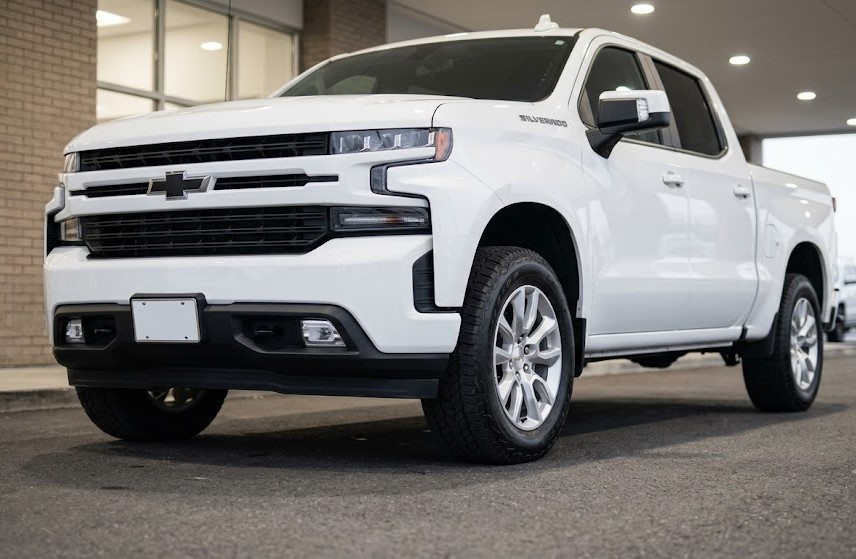
A properly installed 2-inch leveling kit on a Silverado with good factory struts produces minimal ride quality change — most owners report no noticeable difference in highway comfort or rough road behaviour. The spacer design adds hardware between the strut and mount but does not change the strut's damping characteristics.
Silverado leveling kit ride quality depends almost entirely on the condition of the factory struts. Where issues appear is when a leveling kit is installed on worn factory struts. The additional height changes the strut's operating position, and struts that were marginal at stock height become noticeably worse at leveled height. If your truck has 80,000+ miles and the factory ride is already feeling soft or bouncy, plan to replace the struts alongside the leveling kit rather than expecting the kit alone to improve the situation.
The Bilstein 5100 specifically addresses this — its improved damping produces a noticeably better ride than factory struts at any height, and the adjustable collar means you dial in exactly the lift you want without any guesswork.
The Mandatory Alignment — What to Know
An alignment is not optional after a leveling kit installation — it is required. The ride height change alters front caster, camber, and toe in ways that cause rapid, uneven tyre wear if not corrected. Most Silverado owners see tyre feathering on the inner or outer shoulder within 5,000 miles on a misaligned front end after a level.
Find a shop experienced with leveled Silverados. The correct alignment spec for a leveled truck differs from the factory spec — a shop that tries to return everything to factory numbers rather than adjusting for the new ride height will not produce the right result. Ask specifically whether they have aligned leveled 1500s before booking.
Common Mistakes After Installing a Leveling Kit
Skipping the alignment is the most expensive mistake. Owners who install a leveling kit and drive on it for weeks before getting an alignment often return to find the front tyres showing significant inner or outer edge wear — uneven wear that cannot be reversed and shortens tyre life dramatically. The alignment appointment should be booked before the kit arrives so it happens immediately after installation.
Buying tyres before confirming clearance is the second most common mistake. Owners order 33-inch tyres based on forum recommendations, install them alongside the leveling kit, and discover the specific combination of their cab configuration, wheel offset, and tyre width causes contact at full steering lock. Always confirm specific tyre sizes against owners running your exact year, cab, and wheel combination rather than trusting general recommendations.
Choosing a leveling kit for the wrong reason is the third mistake — buying a leveling kit specifically because a forum post said it improves ride quality. A leveling kit does not change ride quality unless you simultaneously replace worn struts. If your ride is already harsh or bouncy, the leveling kit alone will not fix it. The Bilstein 5100 solves this correctly by replacing the strut itself alongside the height change.
Frequently Asked Questions
What is the best leveling kit for Silverado 1500? ReadyLIFT for the best overall quality and community trust. Rough Country for the best budget option. Bilstein 5100 when you need new struts anyway and want the best possible ride quality outcome.
Will a 2-inch leveling kit fit 33-inch tyres on a Silverado? Yes — 285/65R18 (approximately 32.6 inches) clears cleanly on most 2014+ Silverado configurations with a 2-inch level. 295/70R18 (approximately 33.9 inches) fits on most configurations with careful wheel selection but may need minor trimming on some builds.
Does a leveling kit void the Silverado warranty? Under Magnuson-Moss, GM must prove the leveling kit caused a specific failure to deny coverage. A leveling kit alone does not broadly void the warranty. Front suspension component claims after a leveling kit may face scrutiny from the dealer.
Bilstein 5100 vs ReadyLIFT — which is better? Different products for different situations. ReadyLIFT is the right choice when factory struts are in good condition and you want the leveled look at the lowest cost. Bilstein 5100 is better when factory struts need replacement — you get the level and significantly improved ride quality in one purchase.
Can I install a Silverado leveling kit myself? A spacer-style kit is achievable for a home mechanic comfortable with front suspension work in 3-4 hours with basic tools and a safe lift. A professional alignment after installation is required regardless of who installs the kit.
How much does a Silverado leveling kit cost installed? Parts run $80-400 depending on the kit. Professional installation adds $150-250. Alignment adds $100-150. Total: $330-800 depending on kit choice and labour rates.
Does a leveling kit affect Silverado towing capacity? A leveling kit does not reduce rated towing capacity. The front suspension geometry change is within normal operating parameters for the truck. Towing capacity ratings remain unchanged and the leveled stance actually improves the visual appearance of a loaded or towing configuration by reducing the exaggerated nose-down pitch that occurs under load.